My paternal grandmother, Edna, and I always had a strange relationship. Don’t get me wrong, my Nana loved me with all her heart. In fact I’m relatively certain that she loved me more than just about anyone in her life; and by that I mean she loved me unconditionally. And I loved her…tentatively. There were aspects of my grandmother’s personality that could be off putting. She was demanding and brusque with most people. She could be grandiose and judgmental, and was considered quite eccentric. And though she always treated me as if I were a princess, even as a child I understood that this treatment was reserved solely for me. She was terribly jealous of my affection for anyone besides her because, now as an adult, I realize she desperately wanted that affection. What she didn’t understand is you can’t force relationships or feelings. And this kind of forceful love made me resentful a lot of the time as a child. Actually, now that I’ve grown up and she’s no longer here, I understand her more and have more affection and respect for her than I ever did as a child because now I understand who she was and why she behaved the way that she did.
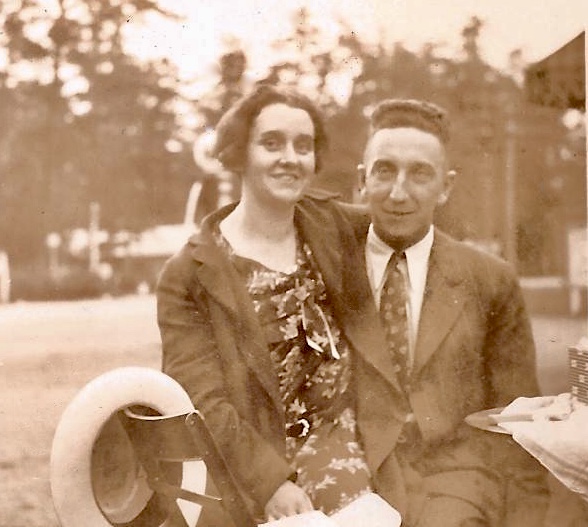
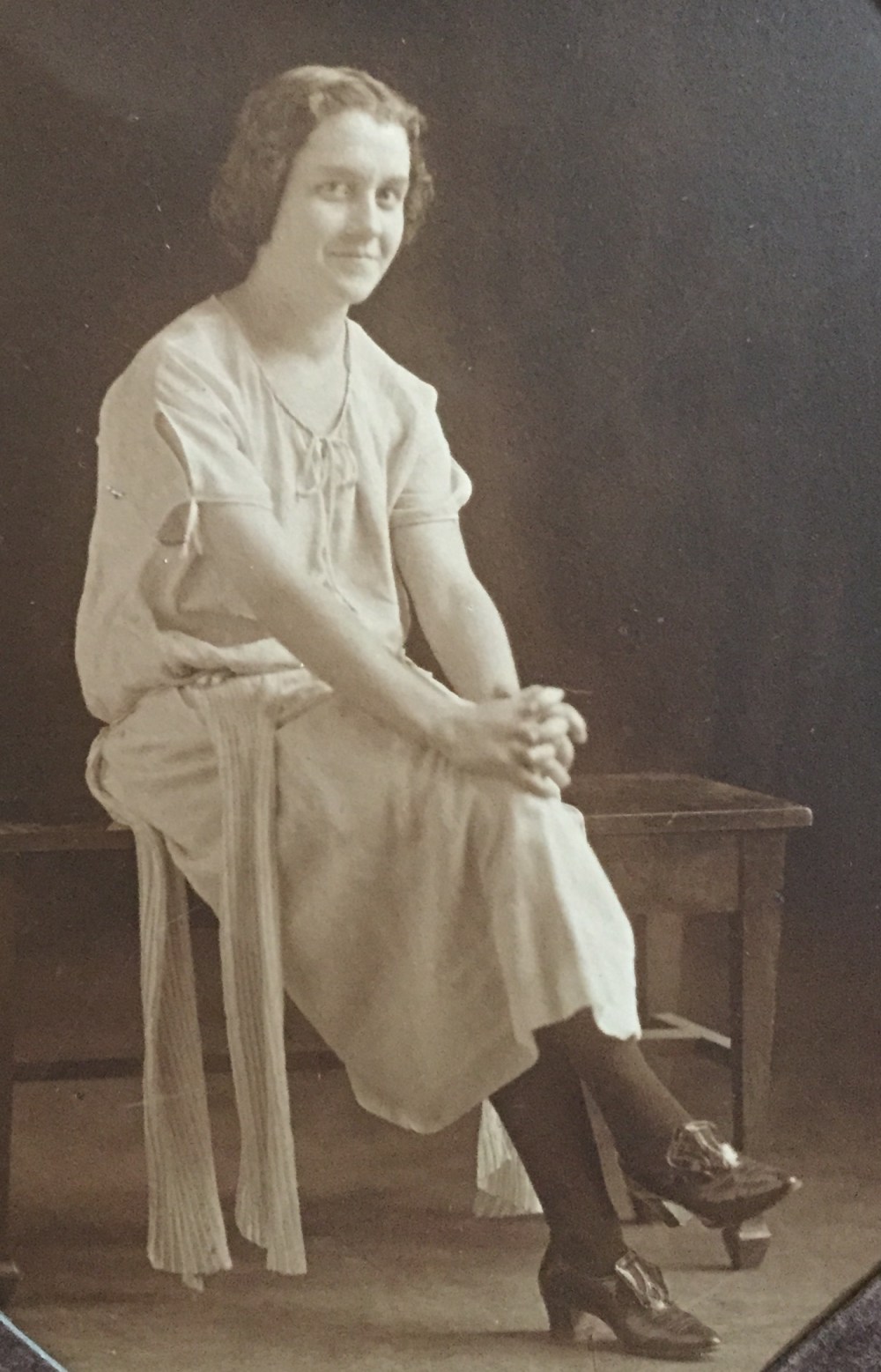
Let’s start from the beginning. Edna was born January 28, 1906 in New Jersey to an unwed woman named Edith Virginia Chase. Edna was placed in an orphanage and was adopted by a couple from upstate New York. I believe part of the reason Nana had such great affection for me is because I was adopted, too, so perhaps she felt we were kindred spirits. I don’t know very much about her childhood other than she grew up in Athens, New York. She married my grandfather, a merchant marine ship’s captain and had my father when she was 23 years old. My grandfather was often away from home as the captain of a ship. I have heard stories about my grandmother’s bizarre behavior while my grandfather was away. Later in life her behavior became even more nonconformist. In the 1930’s and 1940’s if you had a mental illness it wasn’t recognized as that, it was considered a defect of your moral strength. Mental illness is one area of medicine that still remains almost taboo, however it has come a long way. And I now understand that Nana was most definitely bipolar. So the stories that I heard about my grandmother not being able to get out of bed to make dinner for my father and him being left to fend for himself were obviously bouts of depression. But in 1939 she was just considered a bad mother. It breaks my heart to think of the emotional confusion and frustration she must have endured.
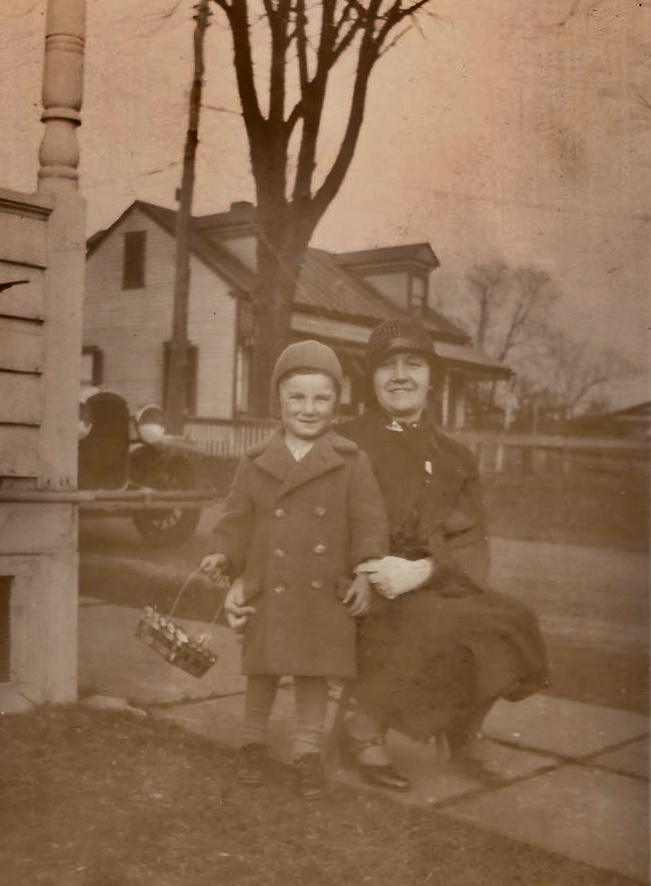
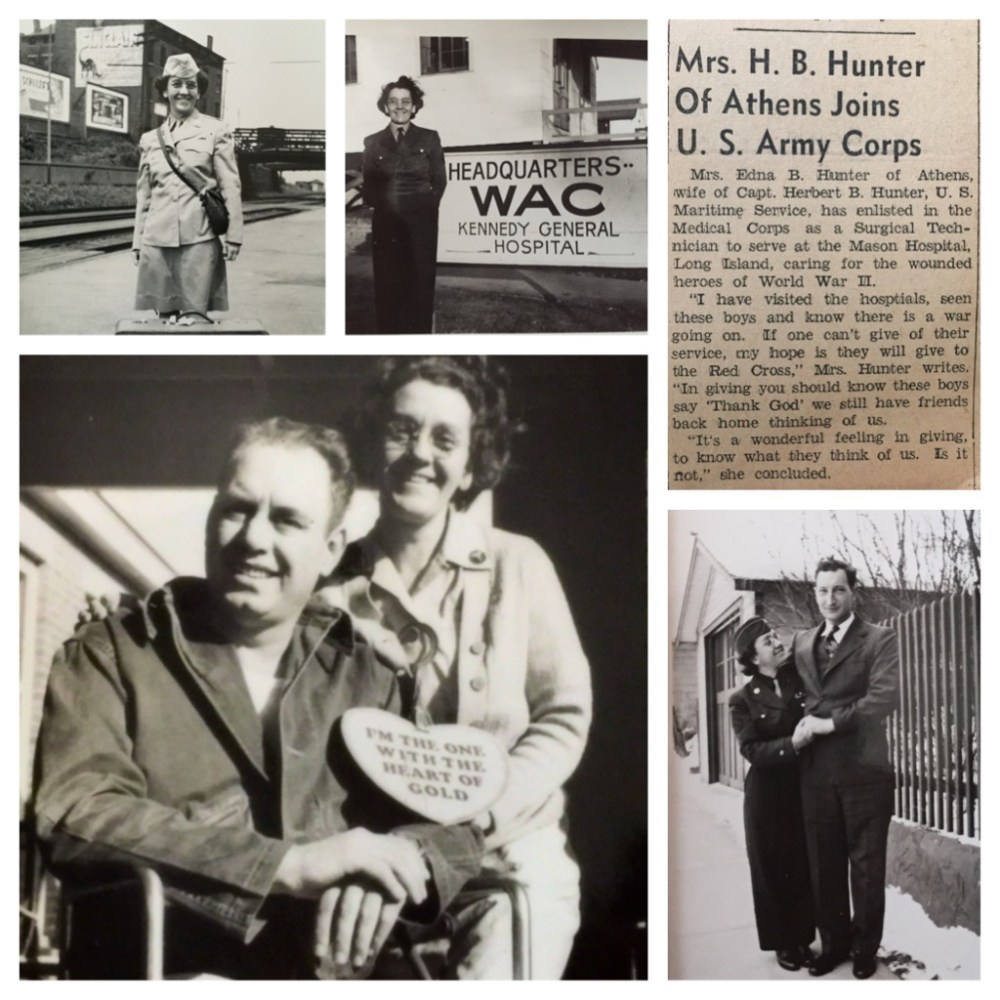
However, that confusion and frustration never broke her spirit. During World War II my grandfather was deployed even more frequently for obvious reason. My grandmother decided she wanted to do her part for the war effort. So Nana asked her aunt and uncle, who took in foster children, if they’d look after my father. She enlisted in the Womens Army Corps as part of their Medical Corps and was a Surgical Technician at Mason Hospital on Long Island, N.Y. Today it is not uncommon for both parents to be in the military and for both parents to be deployed, but in 1945 it was unheard of. Not many people approved. But other’s disapproval was not ever a deterrent to my grandmother. In fact, it usually had the opposite effect and made her more determined than ever. In an article printed in a local newspaper about her decision to join the W.A.C.’s she says “In giving you should know that these boys say ‘Thank God we still have friends back home thinking of us.'” I know that there was a lot of whispering about her choice at the time because there were still whispers about it when I was a child and that was over 40 years later. There were rumors that she was selfish and self-centered, a lesbian, and of course, this added fuel to the fire that she was a bad mother. But my father adored his mother even though I’m certain it must not have been an ideal childhood. Growing up with a mother who was bipolar during a time when mental illness was not understood could not have been easy or fun for any of them. But my grandmother’s service to her country remained one of her greatest sources of pride for the rest of her life and was never something that she ever regretted doing.
As I’ve said, my grandmother was not the average housewife of her time. And when her adopted parents passed away, she set out to find her biological parents. As someone who was adopted in 1968, I know how difficult it can be to track down your birth parents. So as someone who was adopted in 1906 from an orphanage in New Jersey and was living in New York, I cannot even imagine how difficult it would have been to be able to track down that information. But if anyone could do it, Nana could, and she did. I don’t know how because I never heard that story but I do know that she managed to find her biological father. His name was Frank Gillingham living in Springfield, Virginia. He had remained a bachelor his whole life and welcomed his daughter and her family into his life. Frank was a farmer and had been a postman during the Great Depression. It was during this time that Frank began acquiring land from neighbors whose property was being foreclosed on. He managed to become the owner of well over a thousand acres and several rental houses in the Springfield and Alexandria area. After World War II ended Frank’s health was beginning to fail. He asked his daughter, my grandmother, to move to Virginia to nurse him during his last years. So Nana somehow talked her husband into packing up the family and moving to Virginia. Though, from what I’ve heard my grandfather, who died when I was only one, adored his wife and would have done just about anything to make her happy. When my great-grandfather passed away he left all he had acquired to my grandmother. Thus began my grandmother’s journey to becoming a real estate businesswoman.
And indeed she became quite a successful businesswoman. However, her mental illness progressed along with her success. She became more unpredictable and had been hospitalized on several occasions. In the early 1960’s my grandmother was committed to St. Elizabeth’s Psychiatric Hospital because her depression was out of control and my father and grandfather were afraid for her. But this was not something my grandmother would stand for. She was determined to live her life her way. So my father agreed to come and get her from the hospital if she agreed to have private nursing care at home- enter my mother. My mother was an RN and had agreed to take on this private nursing job part time. And that is how my mother and father met, taking care of his mentally ill mother.
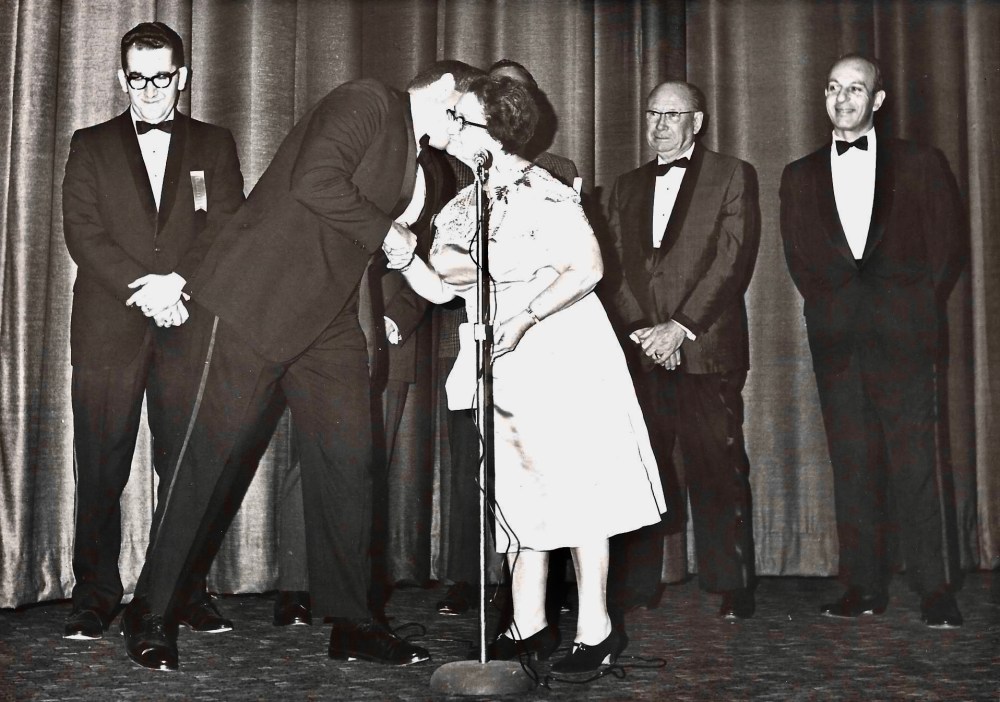
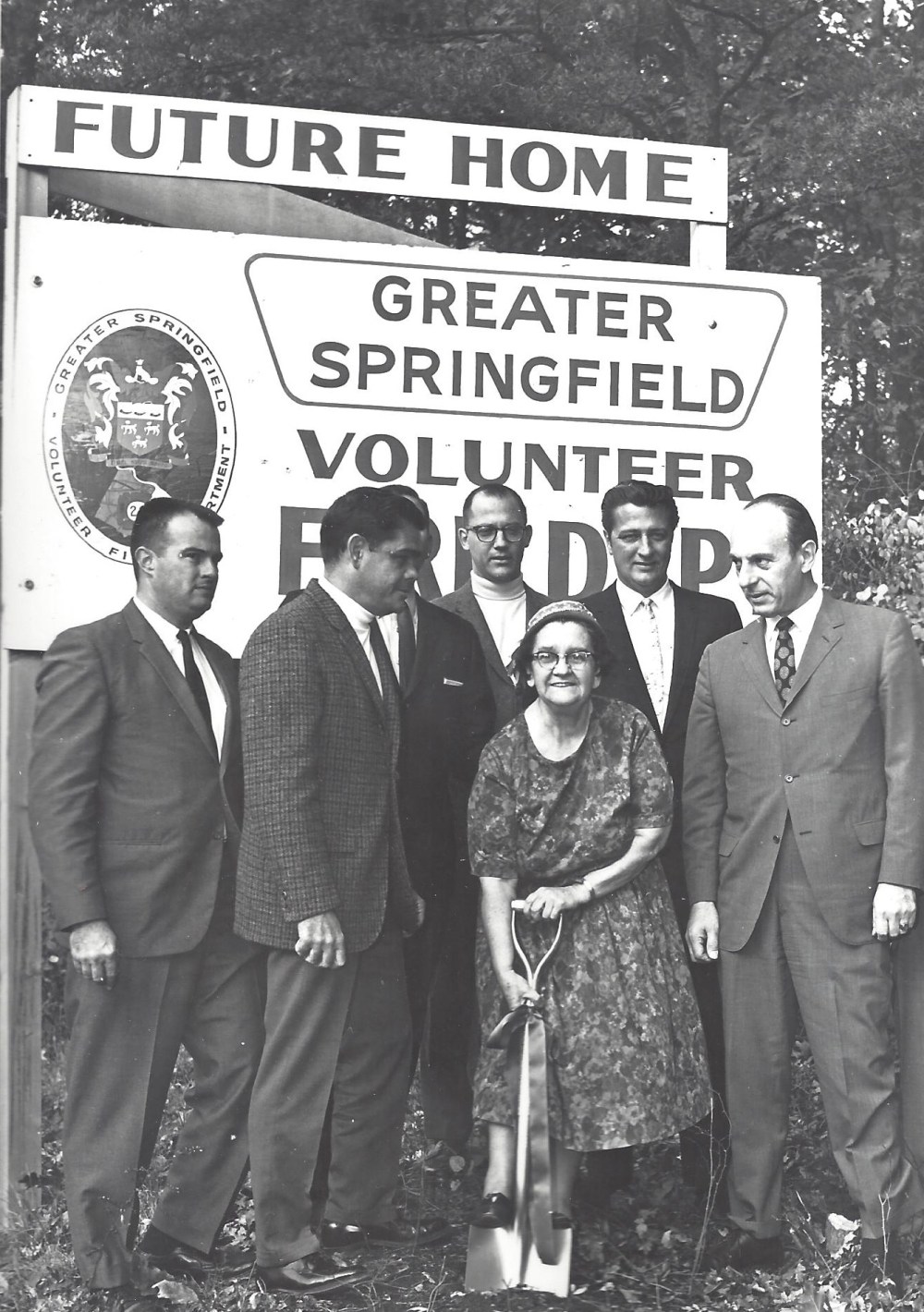
My parents were married in 1965. I was adopted in 1968 and named after my great-grandmother at my grandmother’s insistence. We all lived together on the farm where my great-grandfather had lived. My grandmother really was ahead of her time in so many respects. Nana and Grandpappy had built a house next door to the farmhouse that my parents and I lived in. Nana had designed their home herself, even the exterior landscaping was her design. She also had a woodworking shop in one of the outbuildings on the farm where she had made built-in corner cabinets for the formal dining room of our farmhouse. Nana also decided to get her Captain’s license and became the first woman Captain at the yacht club in Washington, D.C. She and my father built and operated a motel and restaurant in Newington, Virginia. My Grandpappy died in 1969 of a heart attack at our family’s motel/restaurant. Shortly afterward, Nana donated land for the Volunteer Fire Department in Springfield, Virginia in his memory. She later sold property on which the famous “rocking chair theater” movie theater was built. Springfield Cinemas was considered state of the art at the time with two theaters and chairs that rocked (hence rocking chair theater). She also donated the land for the Masonic Lodge of Springfield. My father was a Mason and I believe they had been holding their meetings in the conference room at my father’s restaurant and were in search of property to be able to build their own lodge. Unfortunately, my father died before the construction of the building and subsequently they named the Springfield Masonic Lodge after my father.
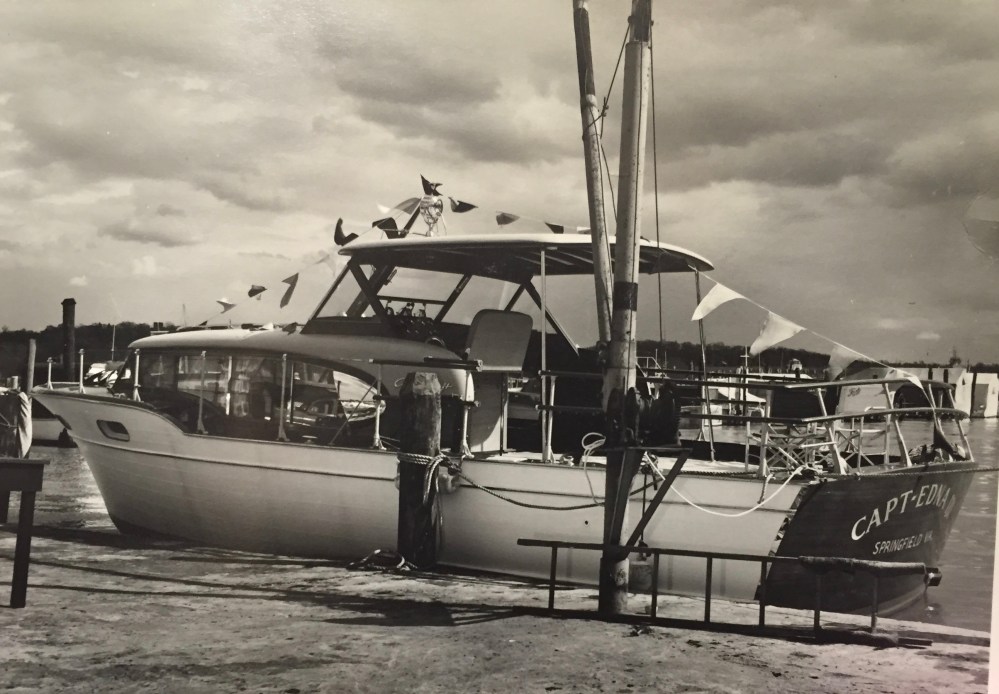
As I’ve mentioned, Nana could be difficult at times and her demands were sometimes hard for a little girl to digest. For example, every Saturday was “Nana’s day” which meant I had to spend the day with Nana. She’d take me to the zoo or to the movies. Sometimes she’d just take me to her house next door where I had my own cache of toys to play with. But her bipolar disorder was a lot for a young girl to handle sometimes. For example, as part of her sale of the property to the movie theater she was given free movies for the rest of her life as part of their contract. So Nana would take me to the movie theater on “Nana’s day” and would tell the teenager selling tickets that we didn’t have to pay for our tickets. Of course, this poor kid has no idea who my grandmother is nor why she’s demanding free tickets. She would make a scene and demand to speak to the manager! All the while I, the five year old, am either shrinking and trying to become as small as possible out of embarrassment or trying to talk her into just buying two tickets. It was stressful being a little girl and having to deal with a manic grandmother. I can only imagine what my father had to go through when he was growing up. Bipolar disorder tends to make people grandiose and entitled when they’re manic. We were on vacation with my grandmother in Sarasota, Florida when I was about four. My mother, grandmother, and I had gone shopping. We were in a gift shop, the type they have at every beach where they sell souvenirs and t-shirts. Nana just picked up a box of marzipan oranges and walked out with it. My mother was mortified. She went running after her, telling her she had to go back and pay for the candies. And my Nana just insisted “No. They want me to have them.” And the thing is she really believed that. She wasn’t trying to steal and be sneaky about it; she truly believed that the store owners wanted her to have those candies. There were times when we’d be crossing a street and Nana would just walk out in front of the vehicles with her hand up to stop traffic as she casually strolled across the street and yelled for me to follow. The rules didn’t apply to her, which is what was so off-putting to so many people. But people didn’t understand bipolar disorder then. And quite honestly, most people don’t understand it now.
My grandmother’s bipolar disorder was getting steadily worse as she aged. And in January of 1976 my father was shot during a robbery of our motel. He lived for several weeks before he finally succumbed to his injuries and passed away, tragically, on my grandmother’s birthday. After my father died her mental capacity slid out of control. She lived with my Mom and I but her behavior became more and more dangerous to herself. Her driver’s license was taken away because she would drive recklessly and get lost. We received several phone calls from the police who had pulled her over because of her hazardous driving but she couldn’t tell them where she was going or where she was. They revoked her driving privileges but my mom had to disconnect her car battery so that she couldn’t start the car. One morning while my mother was taking me to school in the middle of the winter, my grandmother went outside in her nightgown and crossed the street to get a man, who was working on the phone lines, down off of the telephone pole to come and help her get her car started. Luckily, the gentleman stayed with my grandmother until my mom returned home. It got to the point that she couldn’t be left alone because we were afraid for her safety.
Nana’s mental health continued to decline during the years after my father died. She could be paranoid and confused. She’d get her days and nights mixed up; stay in her nightgown all day and change into clothes at dinnertime. I was probably about eight or nine then and to me it could be quite funny sometimes. I remember one evening my grandmother came downstairs for dinner and she had changed out of her nightgown and was wearing a dress. I told her how nice she looked, trying to encourage her to get dressed more often. She looked at me and said “You don’t like it?” I insisted that I did indeed like her dress. But she got up and went upstairs and changed her dress. When she came back, again I told her she looked nice. “You don’t like it?” she asked and went upstairs to change again. My mother, who was trying to get dinner on the table said “Don’t you tell her one more time that she looks nice! We’re never going to be able to eat dinner!” When my grandmother came downstairs in another dress I didn’t say anything about her new dress but I giggled all through dinner.
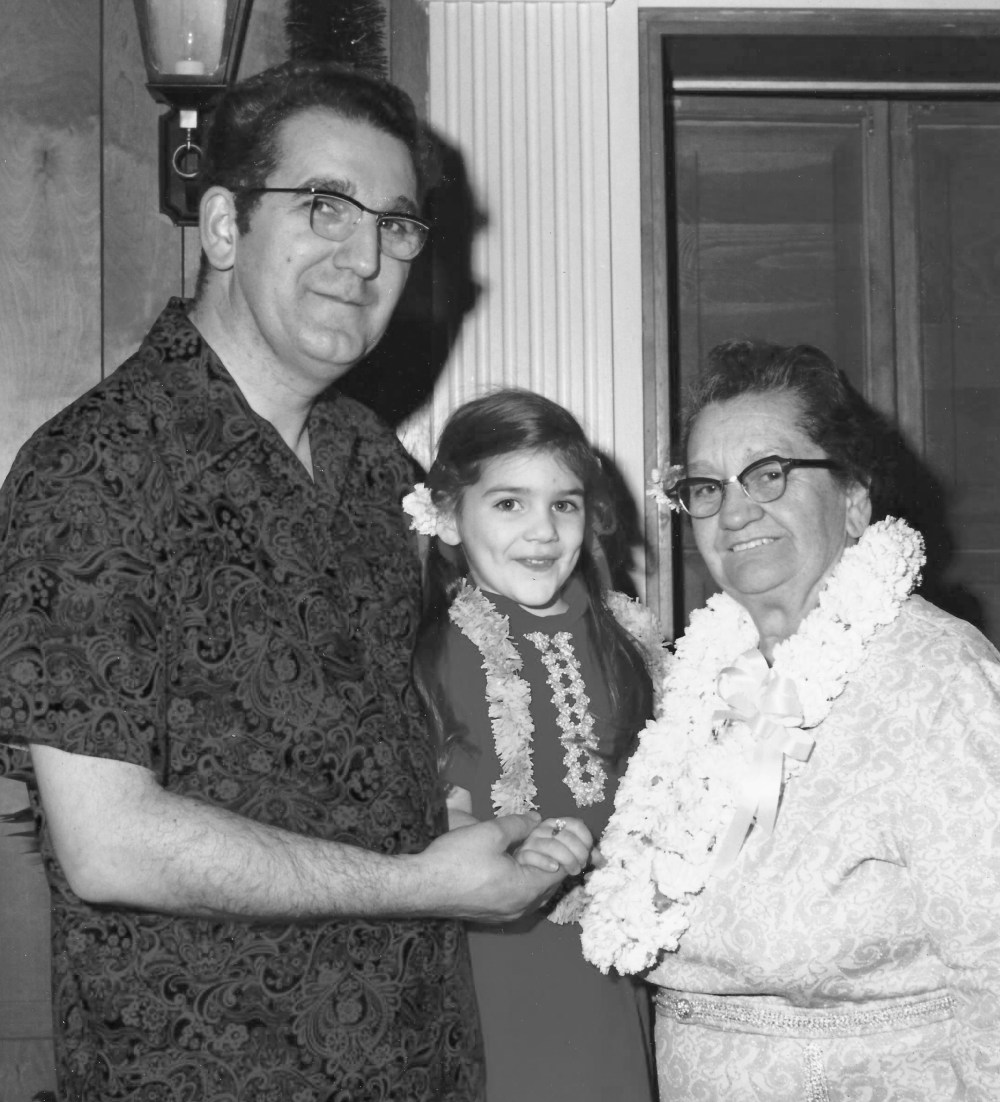
But there were times when Nana’s behavior became violent and dangerous. Eventually, we moved her into a nursing home in Richmond, Virginia. They were one of the few that specialized in Alzheimer’s disease at that time. What instigated that decision was a trip we had taken to upstate New York. Nana had been saying that she wanted to go to see her family in Athens. So my mother, my aunt, my best friend Lisa, and I took Nana on the eight hour drive to see her hometown and the family that still remained there. The entire drive she kept saying she wanted to go New York and was convinced we were taking her someplace horrible. No matter how many times we explained that we were actually taking her where she wanted to go she remained alarmed and on edge for the entire ride. When we finally arrived in her hometown she then decided she wanted to come back home to Virginia. So for the duration of our visit she was anxious and fidgety and asked over and over when we were going home. When the day finally arrived for us to return home she was again convinced that we were taking her somewhere horrible. And was terribly anxious in the car. As we were approaching one of the main toll booths on the New Jersey Turnpike, one that had about twenty toll booths for both directions, there were cars lined up waiting to pay their tolls. As we were inching towards the tollbooth, Nana suddenly leapt out of the backseat and began running and knocking on other people’s car windows and shouting for help. My mother frantically put our car in park and she and my aunt jumped out, chasing after my grandmother to try to wrangle her back into our car. The people around us stared in shock and horror, unsure whether to lock their doors or come to this elderly lady’s aid. But my mom and aunt were able to jostle Nana back to our car and force her into the front seat. As they were trying to seatbelt her into place, my aunt placed her hand on the glove compartment and my grandmother took her foot and ground it into her knuckles; it was like WWE:New Jersey Turnpike Style. My friend, Lisa, and I sat dumbstruck in the backseat. At this point police arrived and flagged us over to the tollbooth office so they could sort out exactly what was going on. They separated us into two rooms: my mother, my aunt, my friend and me in one room; my grandmother in a separate room. But the walls were like paper and we could hear everything that was being said in the room where my grandmother was. What the police and employees of the New Jersey Turnpike didn’t understand was that, first, my grandmother was suffering from dementia, and second, because of her dementia she suffered from a form of palilalia which is a speech tic characterized by an involuntary repetition of words or phrases. And at this time my grandmother would repeat over and over “Potty fotty, potty fotty, potty fotty,” which is totally nonsensical but these poor people had no idea what was going on. So Nana was sitting in the next room saying “Potty fotty,” and the woman that was sitting with her kept asking “Ma’am, do you need to use the restroom? Do you need the ladies room? Do you need to use the loo?” Any word you could think of for going to the bathroom; it was hilarious and frustrating because they clearly believed that we had kidnapped this elderly lady and my poor mother was trying to explain what was really going on. We were there for hours! My mother finally contacted a family friend who just happened to be an attorney. He was able to negotiate with the New Jersey police on all of our behalves. They hired a private plane for my grandmother to take back to Virginia, our attorney friend would meet the plane and take my grandmother to a local hospital to be evaluated, and the rest of us would continue on our drive back to Virginia.
Needless to say, after this event it became clear to my mother that this was not a situation that she could handle on her own as a single mother in 1979. So my grandmother was placed in the nursing home in Richmond. My mother had family in Richmond and we visited her just about every weekend, even when she no longer knew who we were, until she passed away in 1982. Over the years, as I have matured and learned more about mental illness and bipolar disorder (my first husband and father of my children is bipolar), my understanding and empathy for Nana has increased exponentially. I am in awe and have so much respect for all that she accomplished, especially during her era and with all she had to overcome. She was truly a woman born before her time.

 Moonsister
Edy what an interesting, intelligent, strong woman. Bipolar seems to strike the most brilliant of people in prime of their lives. Also, what I take from this wonderful story is how strong and loving your wonderful mother was to take such care of her husband’s mom. She was an amazing loving woman.
LikeLike
Wow! She was definitely a remarkable woman. She accomplished all that WHILE battling mental disorder! Just amazing!
LikeLike
Such a kind and insightful piece. Strong intelligent bipolar persons are always having “their turn” I hope it is now, yours.
LikeLike
Hey — how do I subscribe to your blog? Can’5 find a button here, will attempt it through WP
LikeLike